



Budget Grocery Shopping Guide
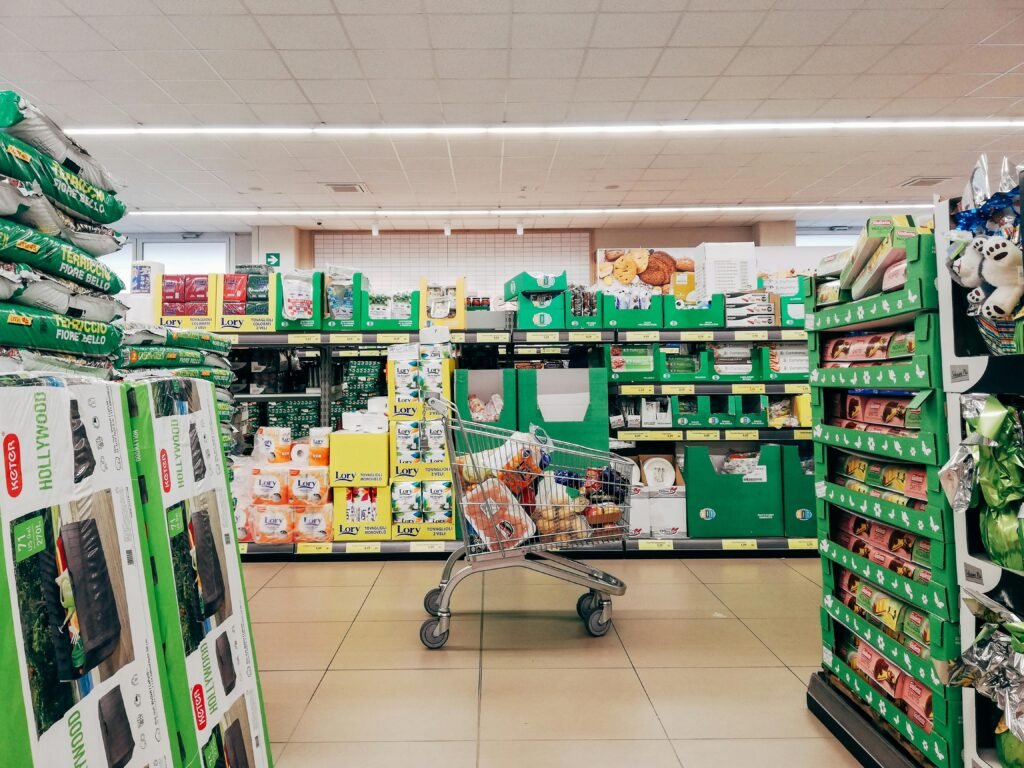
Grocery prices seem to rise every month, but your food budget doesn’t have to.
The secret isn’t buying less food — it’s buying smarter.
With a little planning and a few simple habits, you can easily reduce your monthly grocery bill while still eating healthy and fresh meals for your family.
Here’s a practical guide to help you shop wisely and save money every week.
Start With a Weekly Plan
Walking into a store without a plan is the fastest way to overspend.
Before shopping, take 10 minutes to:
- plan meals for the week
- check what you already have
- write only what you truly need
When you know exactly what you’re buying, you avoid impulse purchases and unnecessary snacks.
A clear plan = fewer surprises at checkout.
Always Shop With a List
A grocery list keeps you focused.
Without one, it’s easy to forget essentials and buy random items that weren’t needed.
Lists help you:
- buy faster
- avoid duplicates
- stick to your budget
- reduce food waste
Using a mobile list makes this even easier because you can update it anytime — not just at home.
Never Shop When Hungry
This sounds simple, but it’s powerful.
When you’re hungry, everything looks tempting. You end up buying:
- extra snacks
- sweets
- ready-to-eat foods
Eat before you shop. Your wallet will thank you.
Buy Seasonal and Local Produce
Seasonal fruits and vegetables are:
- fresher
- tastier
- cheaper
Imported or off-season items cost much more and often don’t taste as good.
Buying what’s in season naturally lowers your bill.
Compare Brands (Store Brands Save More)
Big brands often charge more for packaging and marketing.
Store or generic brands usually offer the same quality at a lower price.
Try switching for items like:
- rice
- flour
- sugar
- milk
- canned goods
Most families don’t even notice the difference.
Buy Staples in Bulk
For products you use regularly, bulk buying saves money.
Good examples:
- grains
- lentils
- cooking oil
- pasta
- cleaning supplies
Larger packs usually cost less per unit.
Just make sure you have proper storage to avoid spoilage.
Reduce Food Waste
Throwing food away is like throwing money away.
Simple habits help:
- store food properly
- freeze extras
- use leftovers creatively
- cook realistic portions
Even saving a little waste each week adds up over time.
Track What You Actually Use
Notice which items finish quickly and which ones sit untouched.
Adjust your buying habits based on real usage, not guesses.
This prevents overbuying and keeps your kitchen organized.
Share the List With Family
One common reason for overspending is duplicate buying.
For example:You buy eggs… your spouse buys eggs again.
Now you have too many.
Sharing a grocery list with family members keeps everyone updated in real time and avoids double purchases.
Apps like Rungrocery allow the whole household to add items instantly, making shopping coordinated and budget-friendly.
Final Thoughts
Saving money on groceries doesn’t mean sacrificing quality or nutrition.
It simply means:
- plan ahead
- buy intentionally
- avoid waste
- stay organized
A few smart habits can easily save hundreds of dollars every month.
Shop smarter, not harder — and let your grocery list do the work for you.